On the History of the Lapel
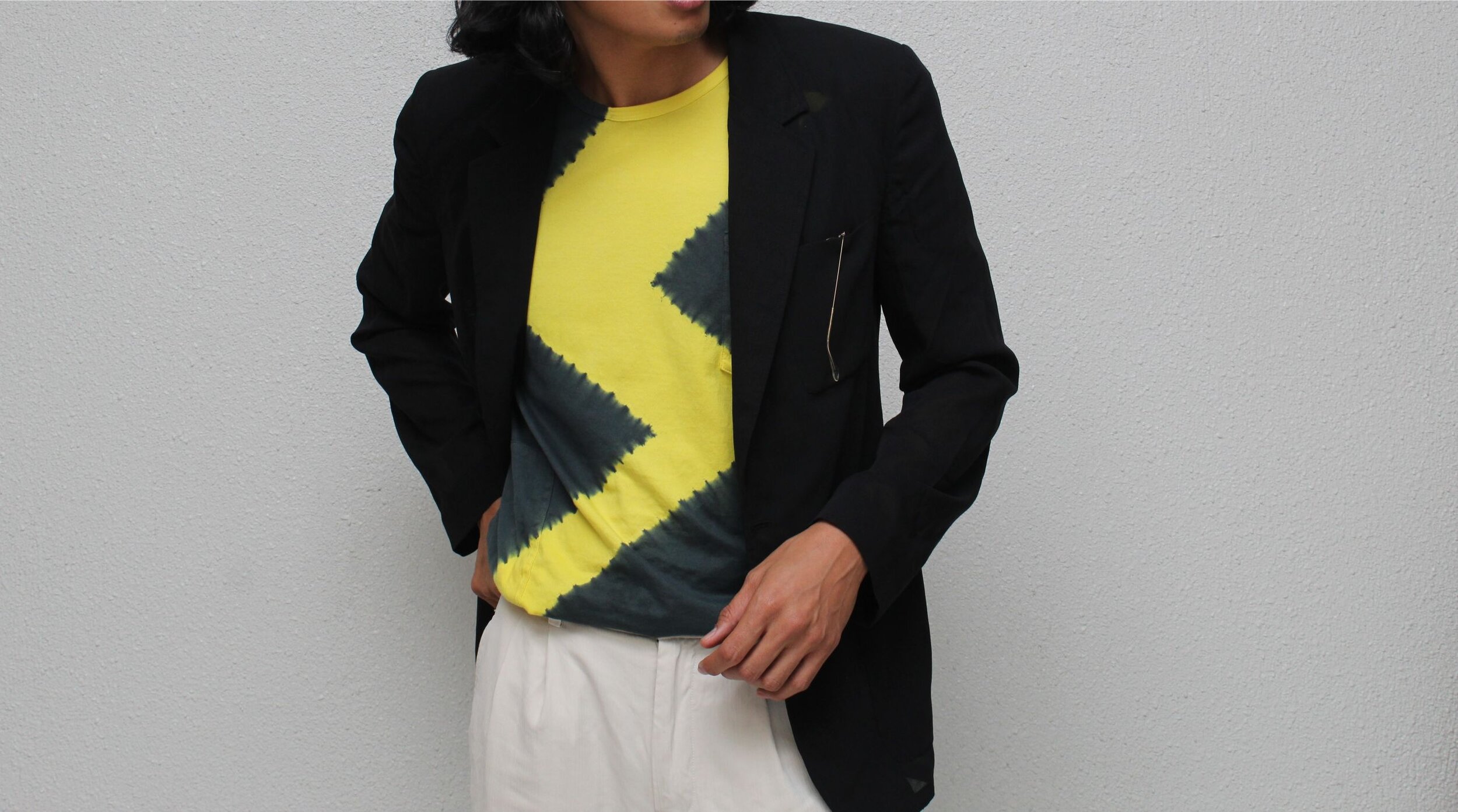
Have you been wondering how to step into a bespoke tailor’s shop without looking like you don’t know a hem from a cuff; without making an order that doesn’t fit a series of tenets completely alien to you?
Fret not, my friend. Everyone starts somewhere, and there is no shame in being new to something. Take a seat, pour yourself a drink, breathe for a few minutes, and let me tell you a little bit about one of the most important parts of a suit: the lapel. If you’re unsure about what a lapel is, just think of those flappy bits on the chest of any suit you’ve ever worn. And if you already know what a lapel is, hopefully this will illuminate the lapel’s trajectory through history. But before I talk about which one for when and where, I should probably talk about how they even came to be.
The lapel began as regular collar that buttoned all the way up to the neck; known as a ghillie collar. This was the usual move back in the 17th century (give or take, of course), until some creative folks started folding the collar down, flat against their shoulders when it got warmer, and some chap somewhere had the bright idea of leaving it this way and removing the top buttons altogether. The left lapel’s buttonhole is a remnant of this history: some modern-day jackets can still button at this point. Have you ever had to pop your lapel and hold it in place when you’re caught in a spot of rain? That’s you replicating this ancestral collar design, actually. Isn’t that interesting?
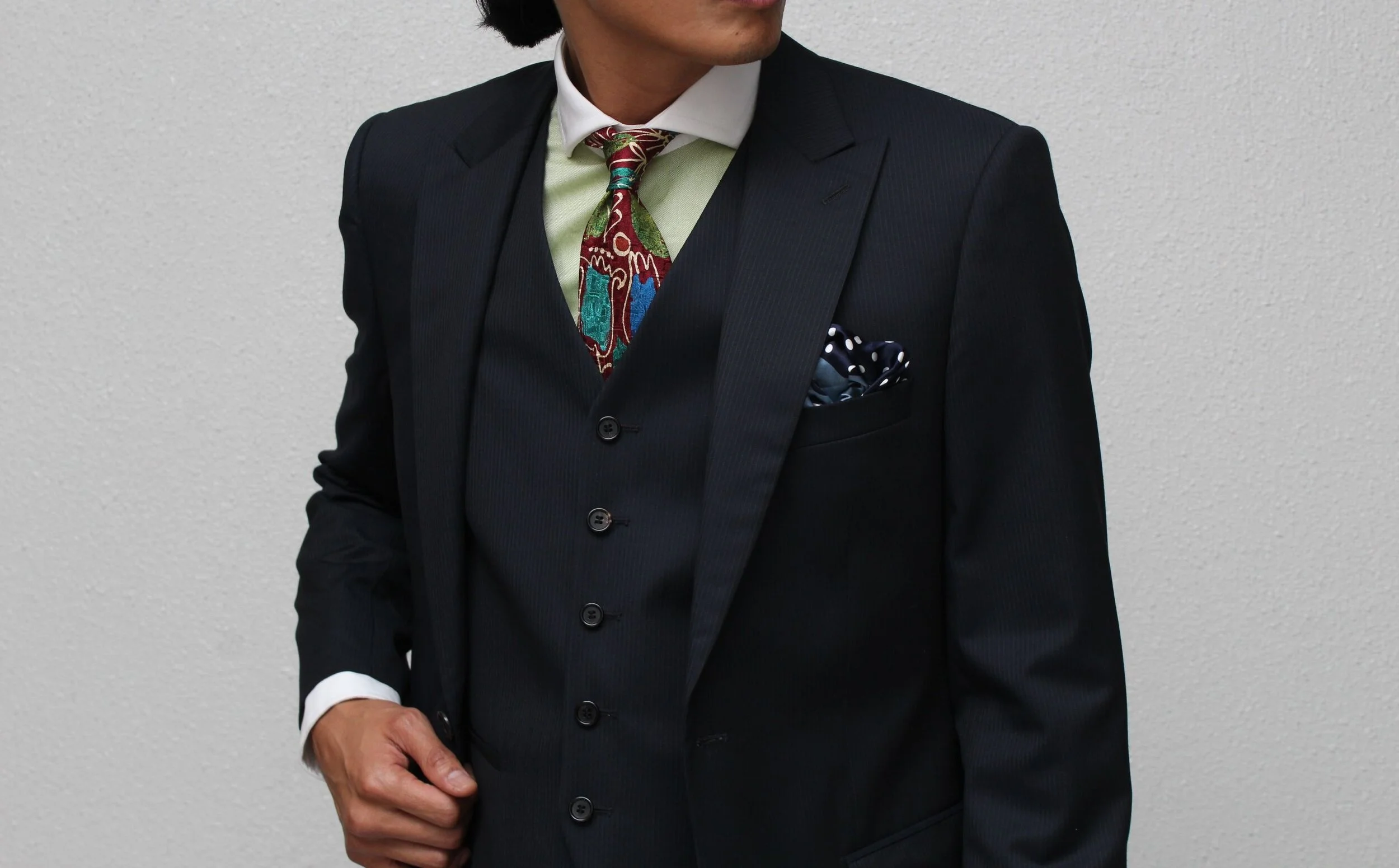
It’s around this time that the notch lapel starts. This lapel is sewn onto the collar at an angle, and is probably the style that comes to mind (or is what you wore to prom) when people talk about lapels. Also known as a step lapel, this one is easy and versatile: it’ll work pretty much anywhere (with some exceptions we'll touch on shortly), and if you’re only trying to own one suit, this is the lapel for you. You’re trying to rack up suits? Put this on your first two or three.

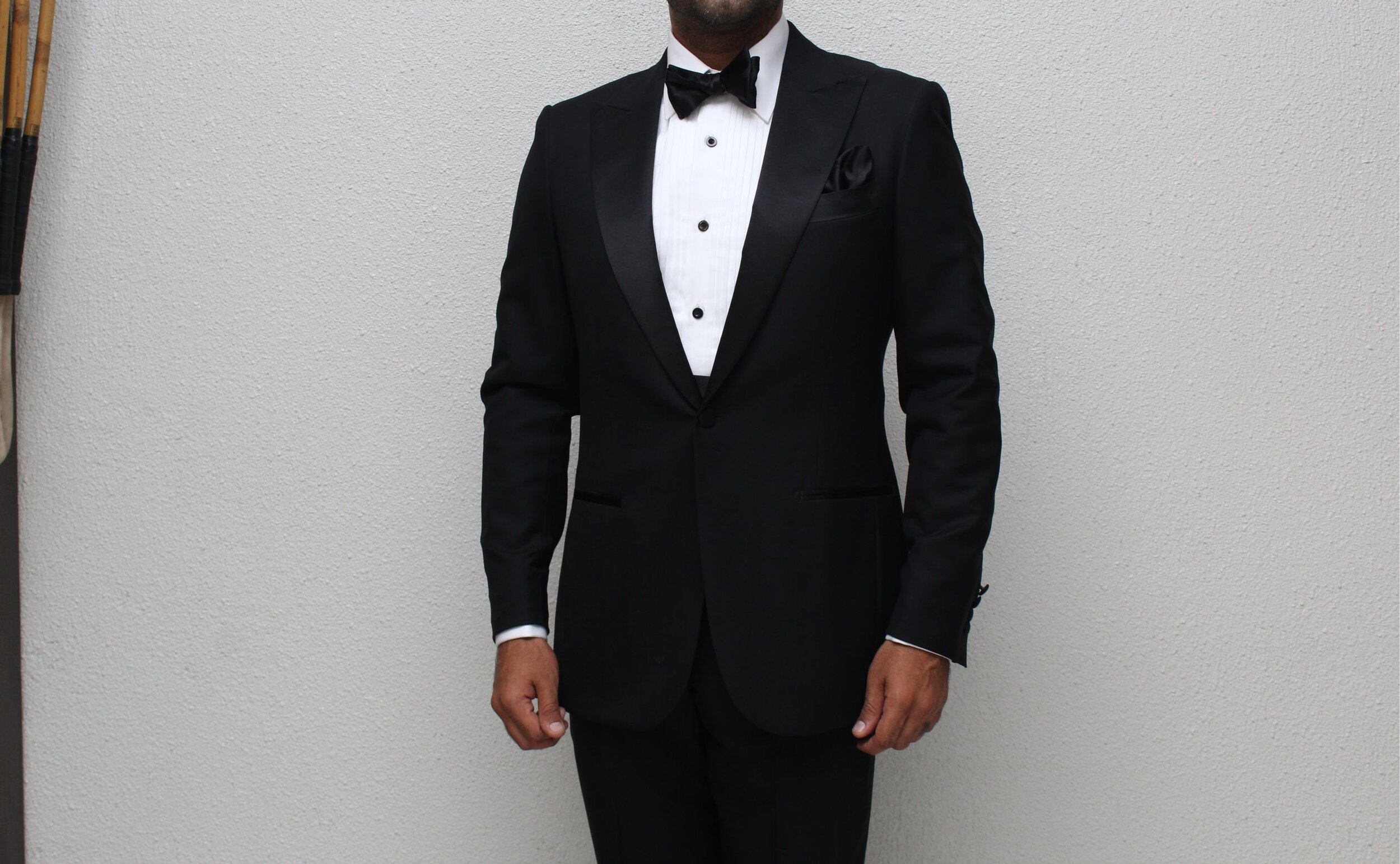
Second is the peak lapel. This one meets the collar’s angle, creating a sort of regal rising point. History’s a little more unsure about where this one started, some people say it began as a ghillie collar designed for bad weather (if you pop a peak you get a good bit more coverage), but it’s also got connections to morning dress and tailcoats. What does this mean, you ask? Well. That just means it’s more formal, overall: default on tuxedos and double-breasted jackets, but not unheard of on a single breasted piece either. While I’ve established it as a formal style, throwing it on a casual jacket results in a lot of rakish flair; ideal if you’re used to taking risks. Just make sure you’re wearing it and not the other way around: the latter tends to make tailors sad (or worse).
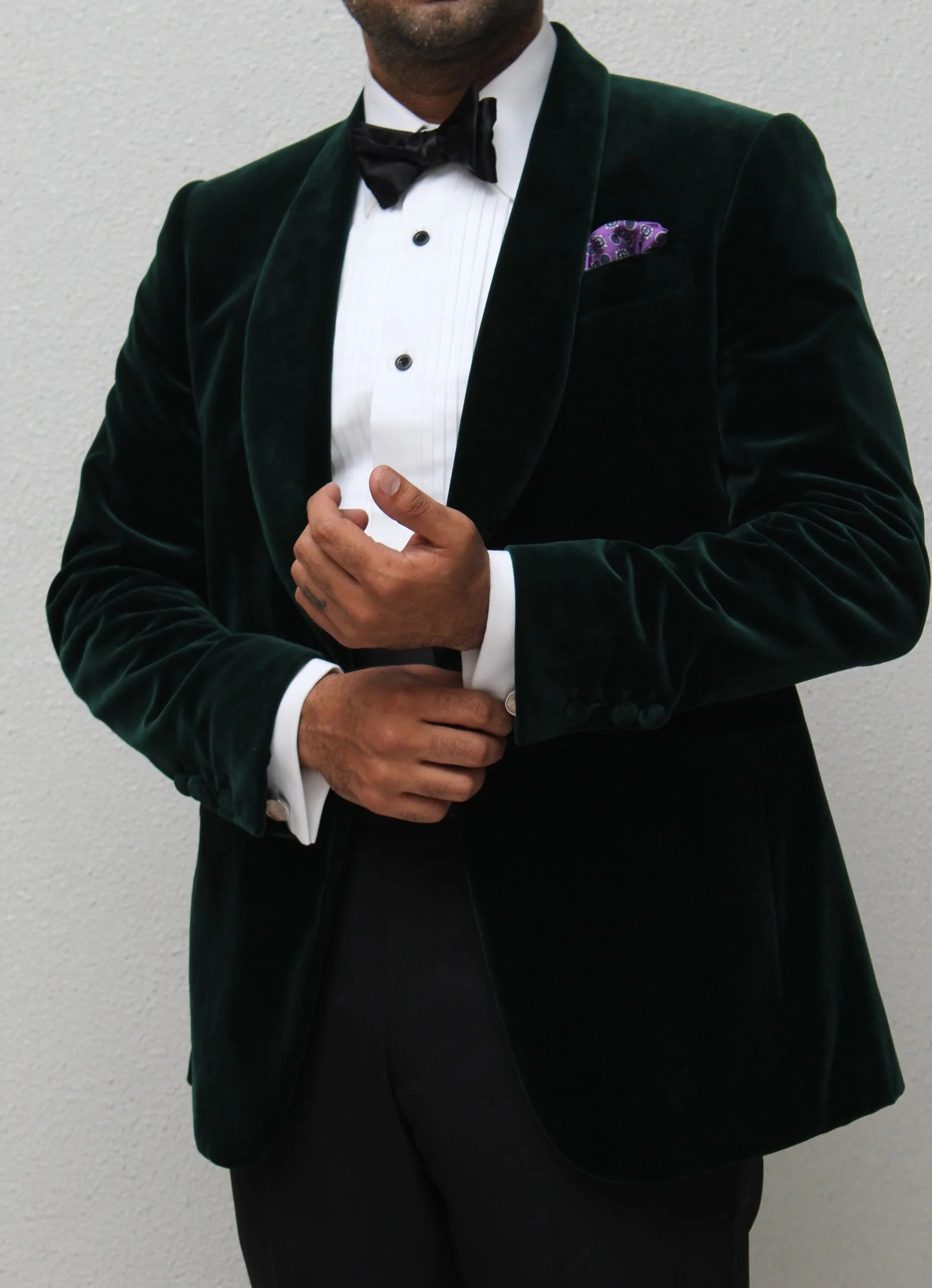
Is your glass empty? Pour yourself another (maybe shorter) drink if so, as we’re on the last lapel now: the shawl collar. This one’s a single continuous piece around the collar, rounded off as it tapers down. Some people prefer it more squared-off at the end (this is a preference thing), but please don’t do this if you’re an exceedingly narrow individual. The shawl began as required dress for gentlemen’s clubs during the Victorian era; on smoking jackets no less. So its roots are a little bit seedy, but somehow it clawed its way out of this pit and cleaned up its act; increasing in formality until it finally became an option for evening wear: dinner jackets and tuxedos. Safe to say this one’s the most formal, and highly situational. Nice, but situational. If you’re a stickler for the rules (and in this case I usually am) you should only use this in conjunction with a bowtie.
So that’s some history, as well as a few points to keep in mind when you’re navigating the wilds of the tailoring world. If you’re a more seasoned veteran by this point, I’m curious to know what you think. Are these hard and fast rules? Is there really only ever one way to go about it? I doubt I’ll have a clear answer any time soon, but you’re always welcome to drop by and talk about it: I’ll be the one pouring the drinks, then.